
|
|
  |
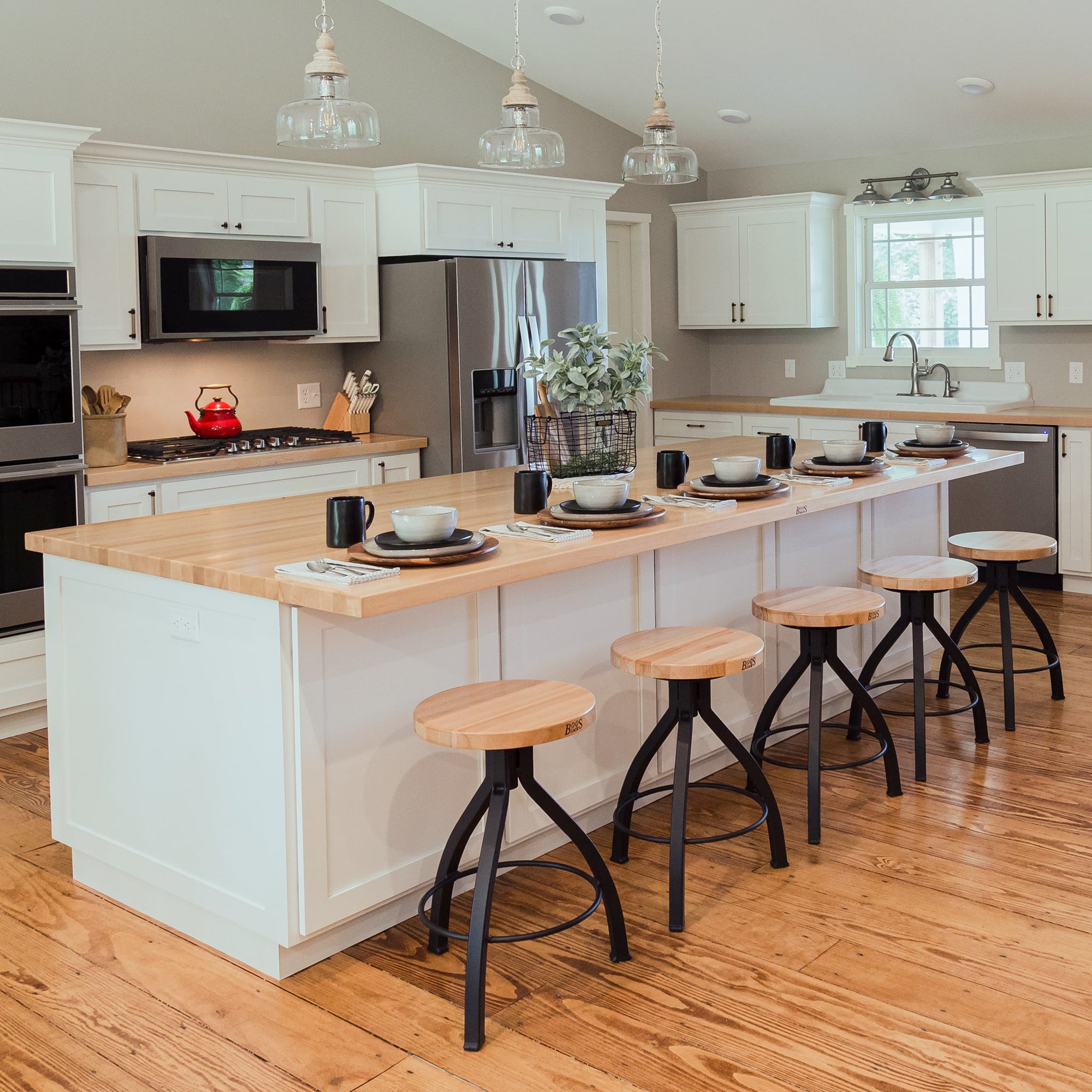
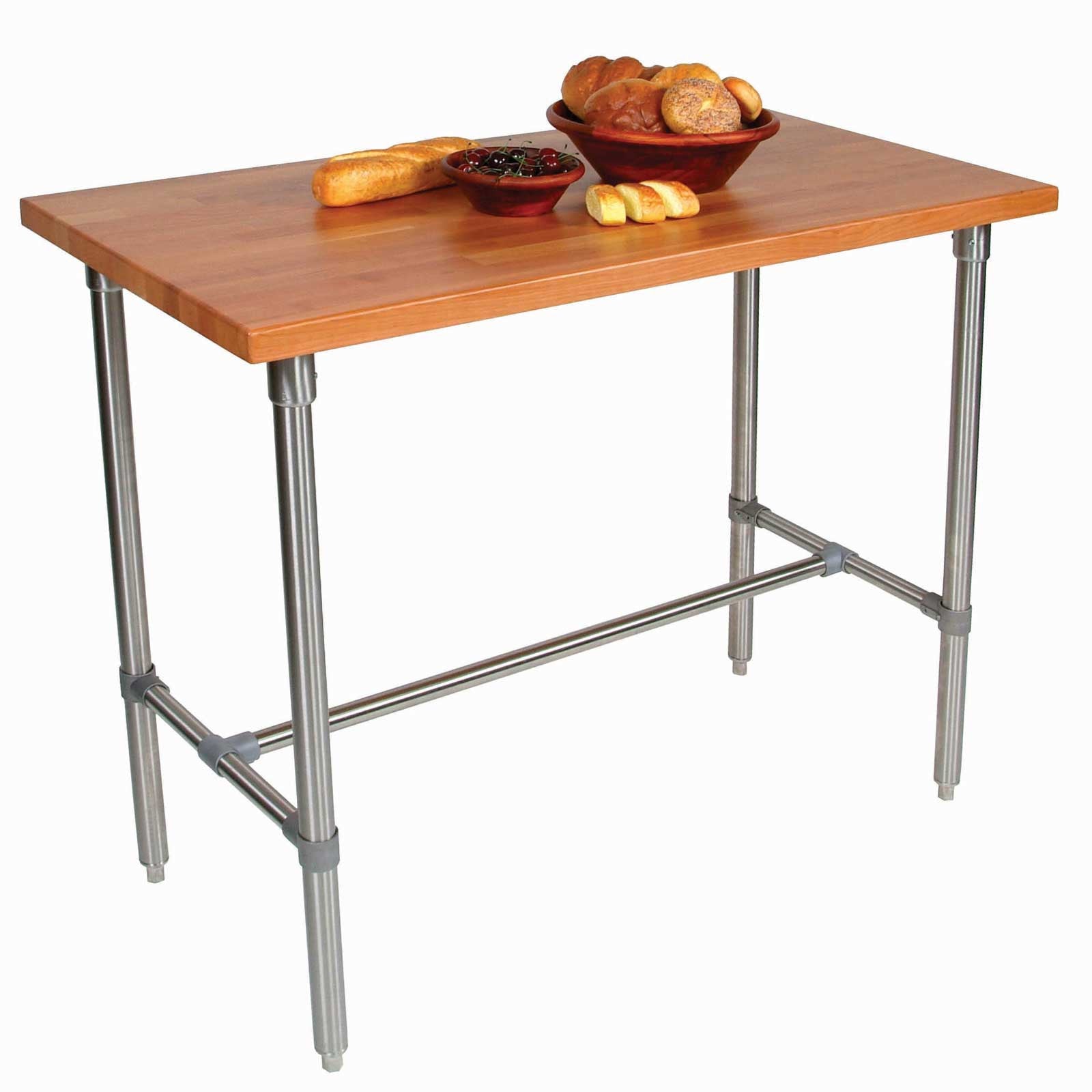
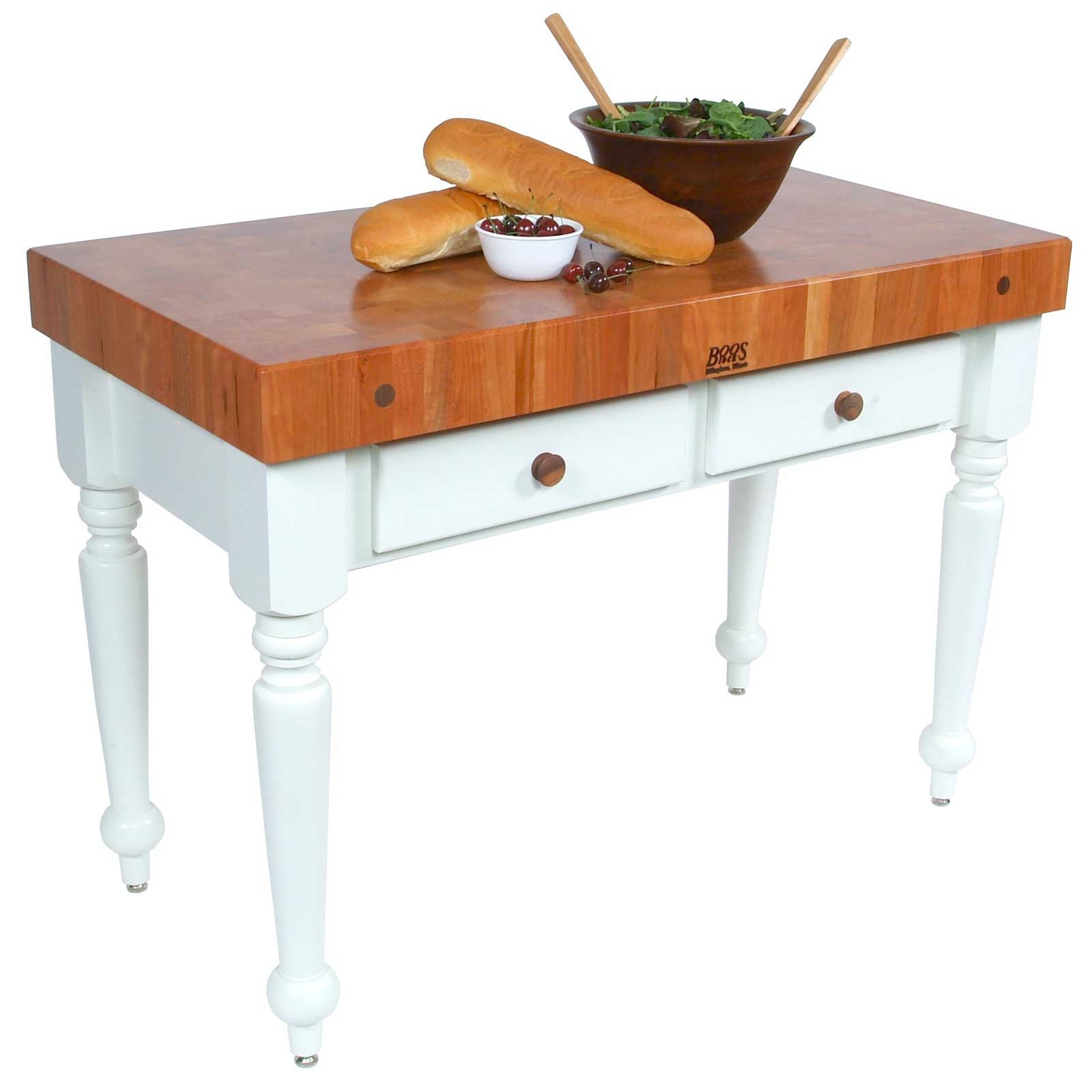
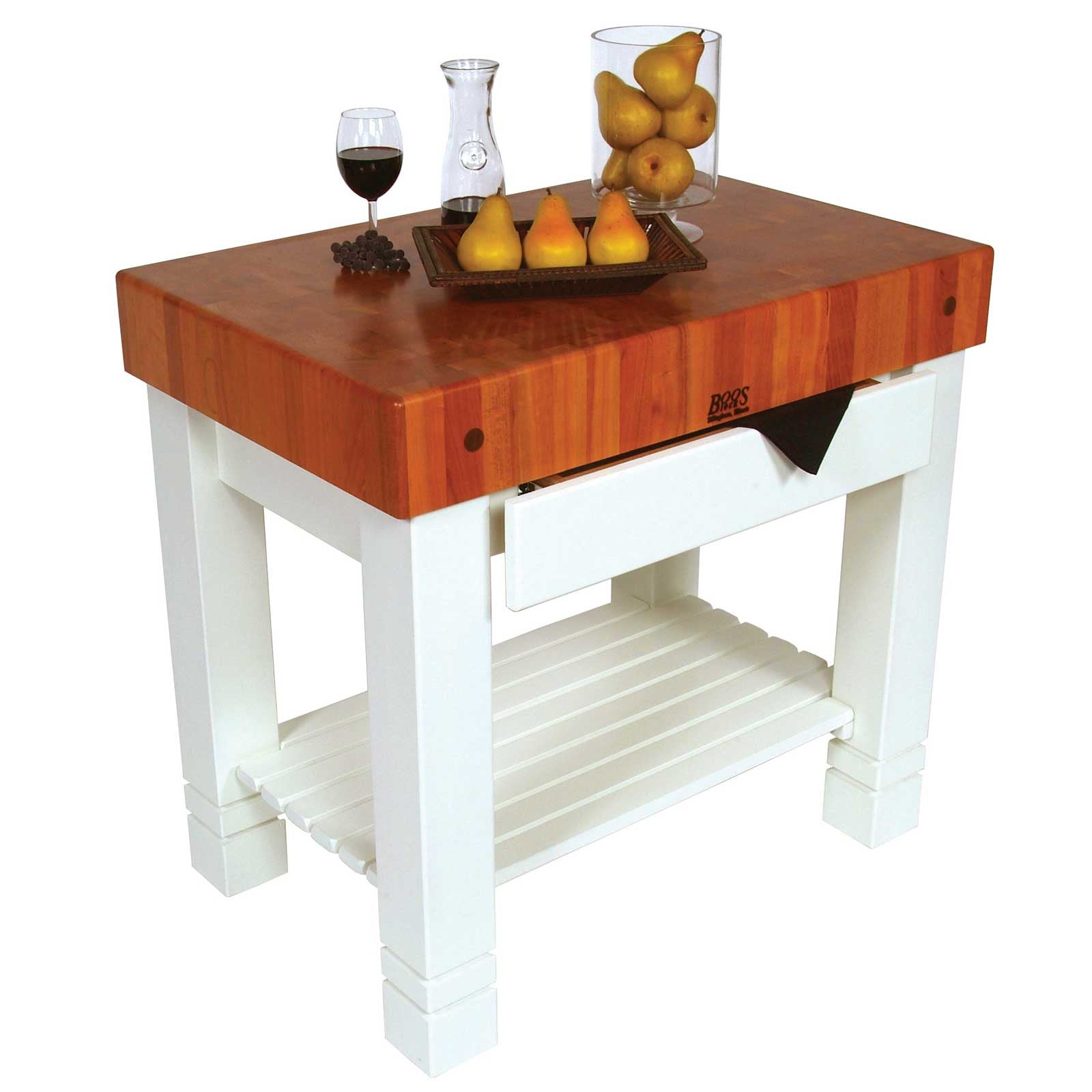
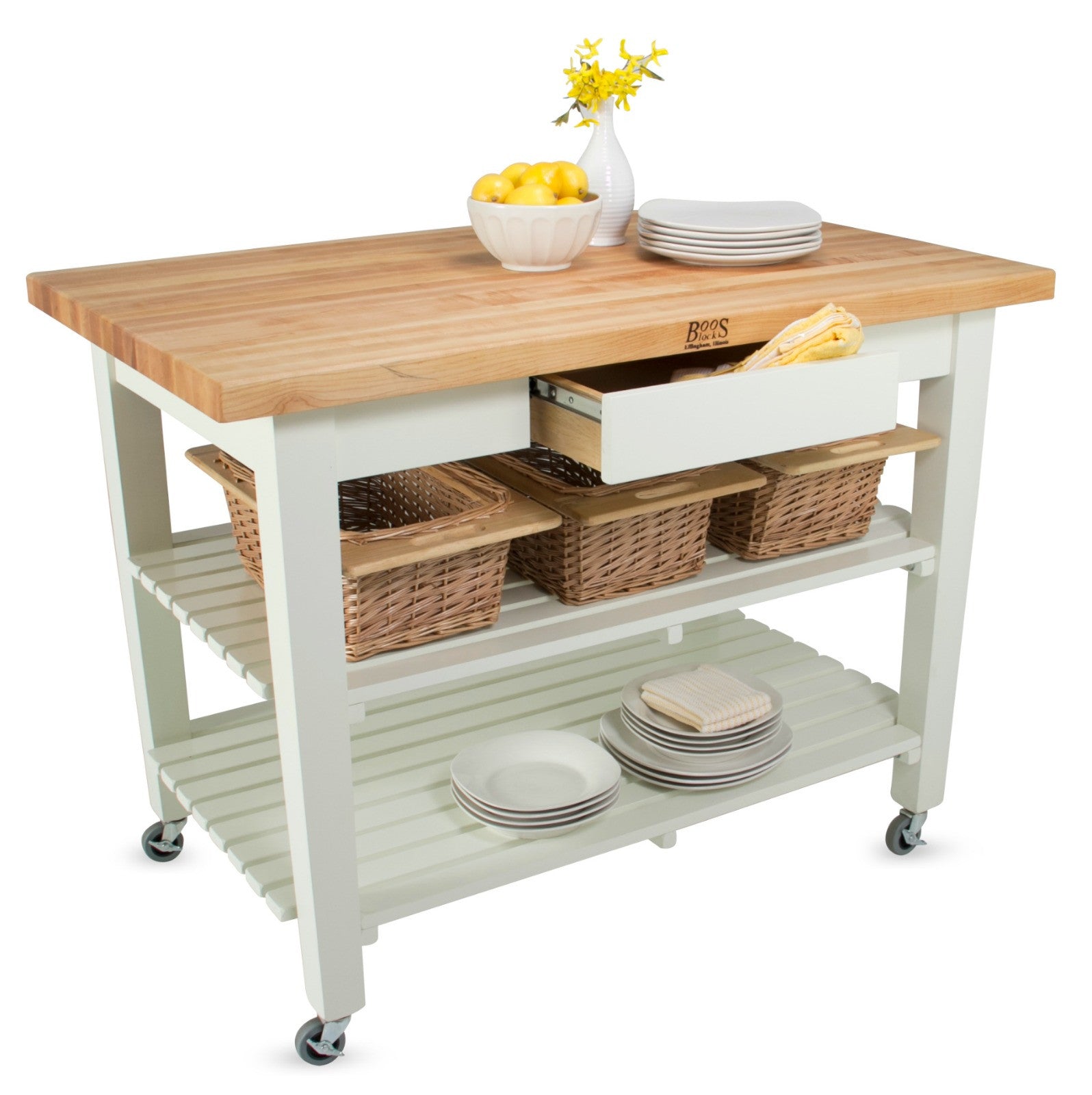
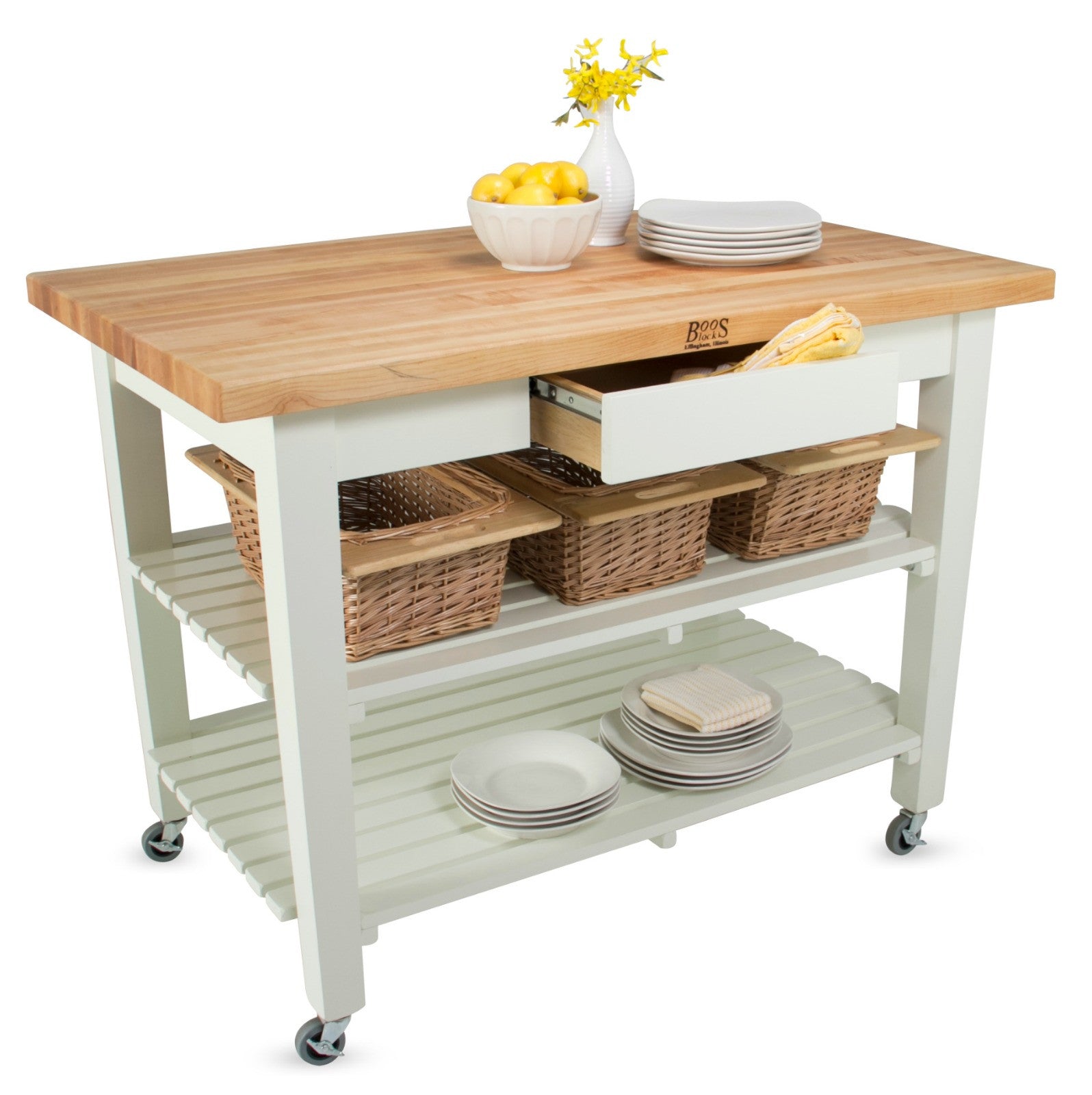
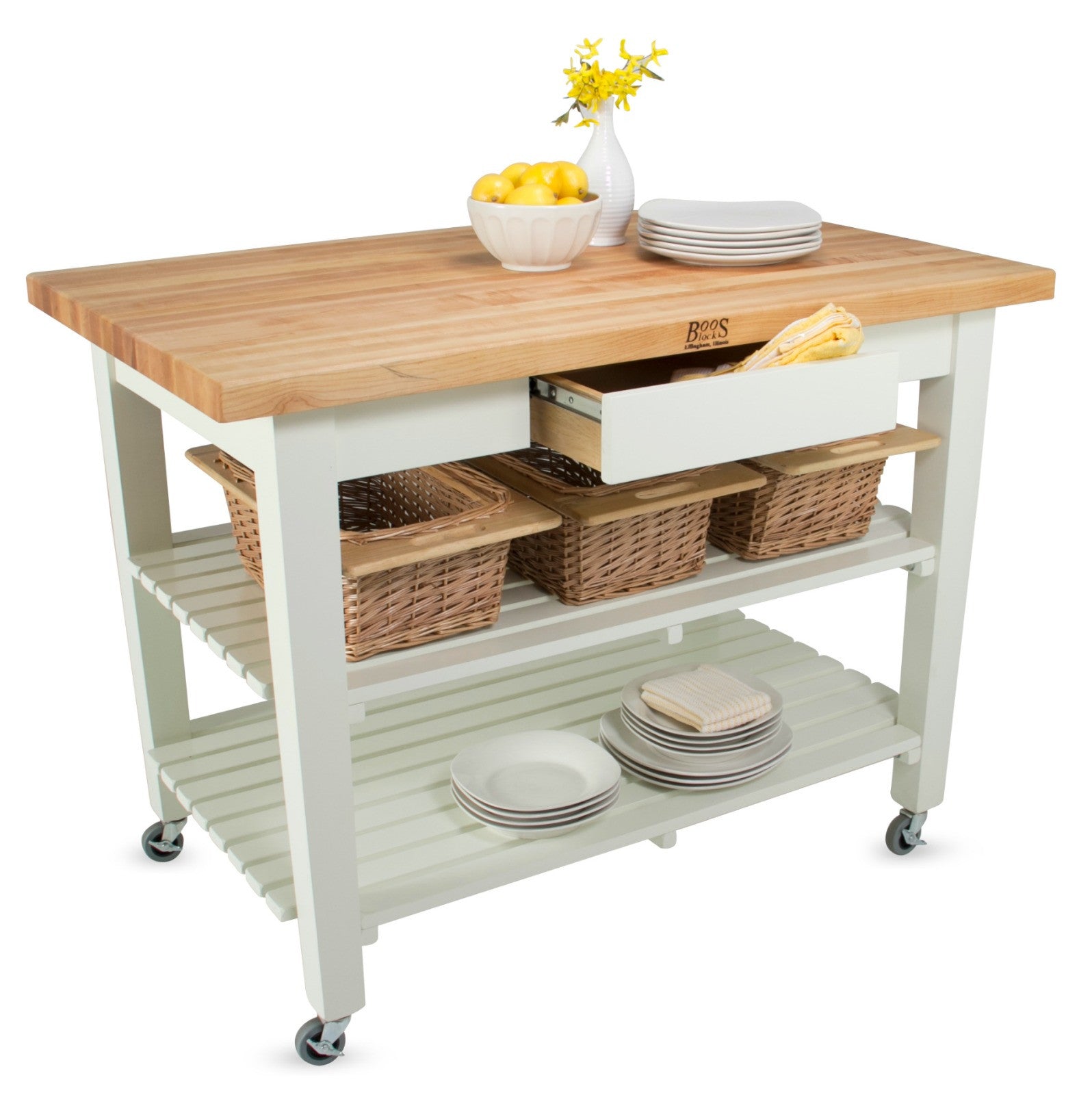
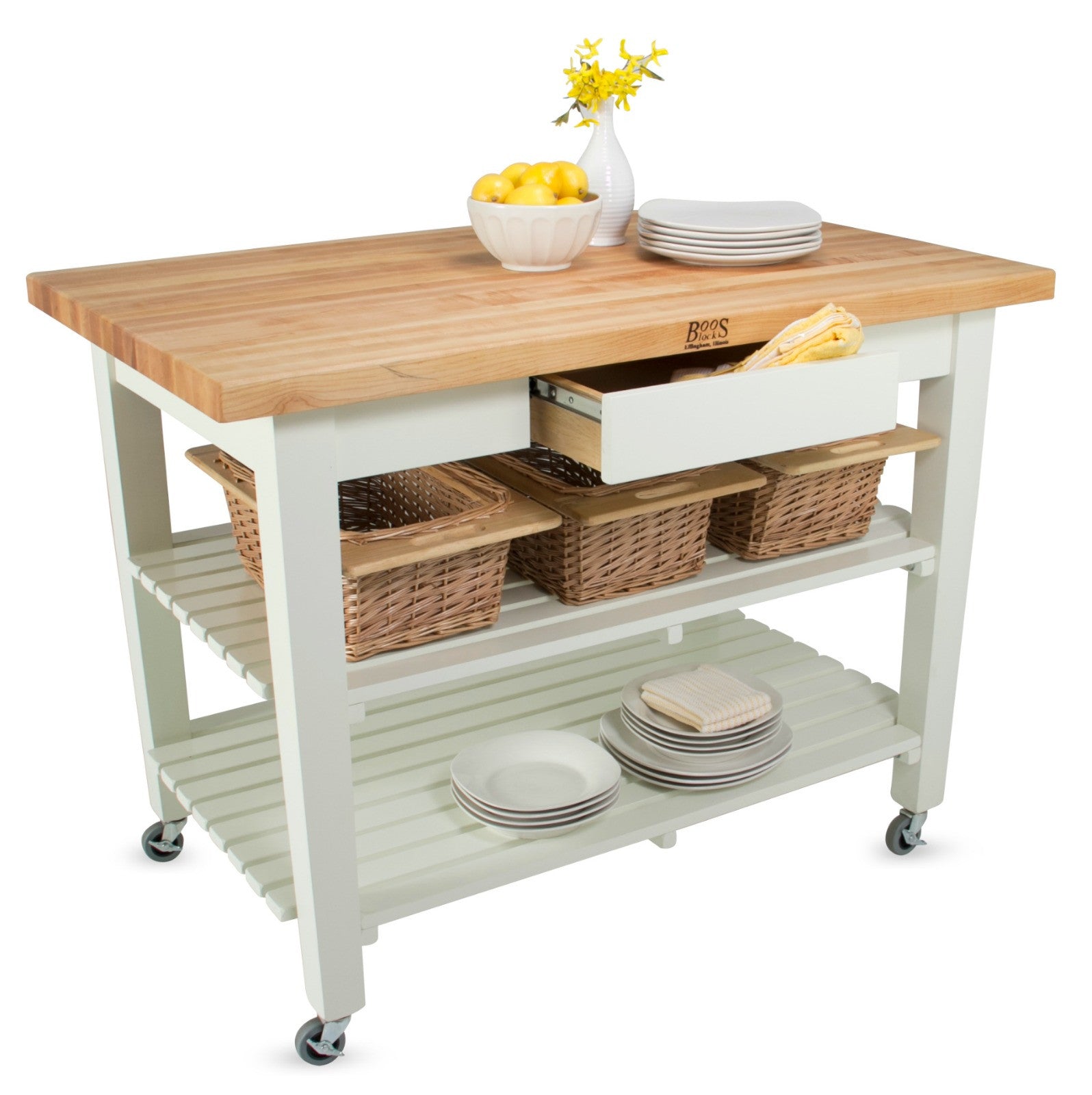
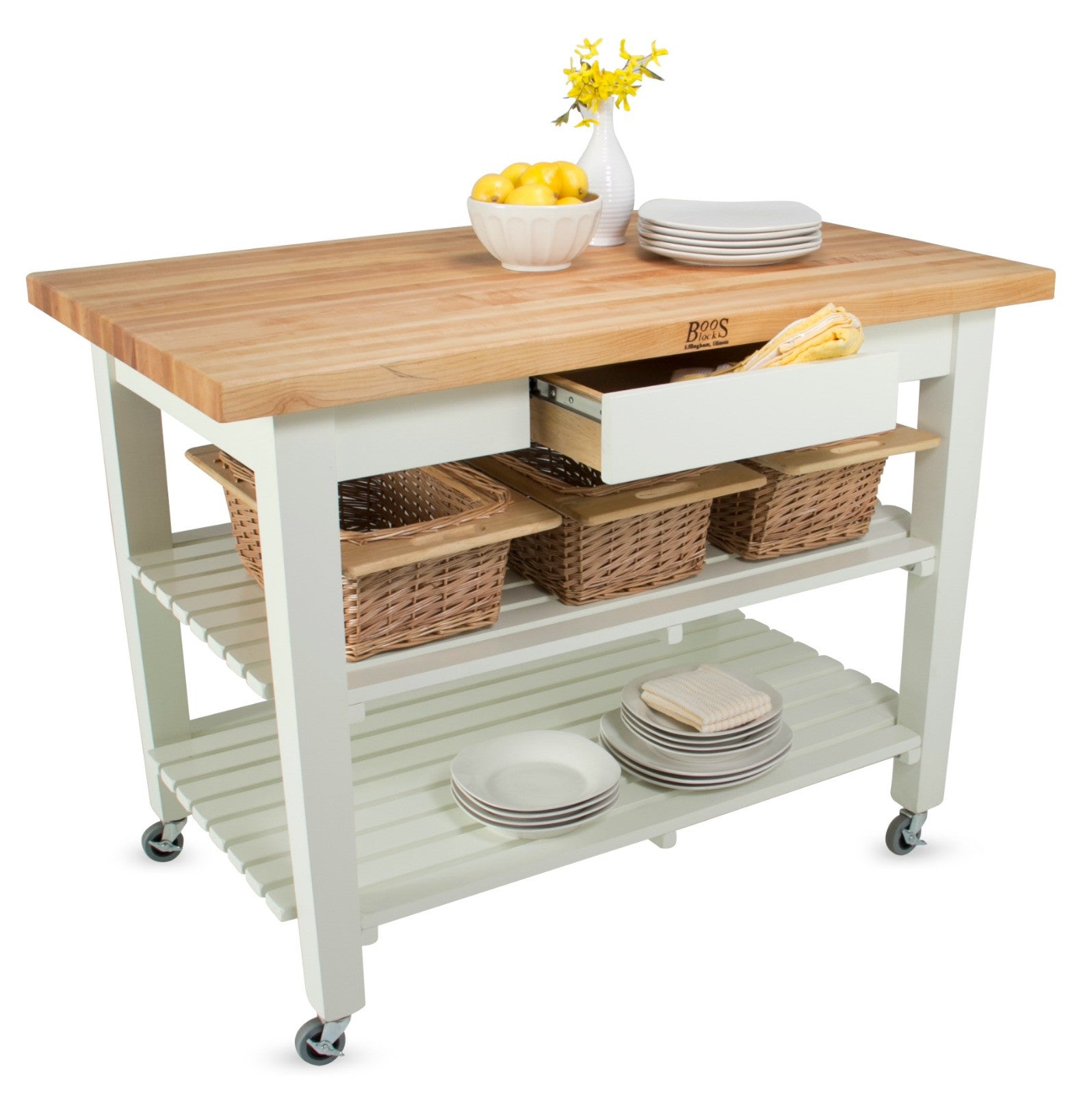
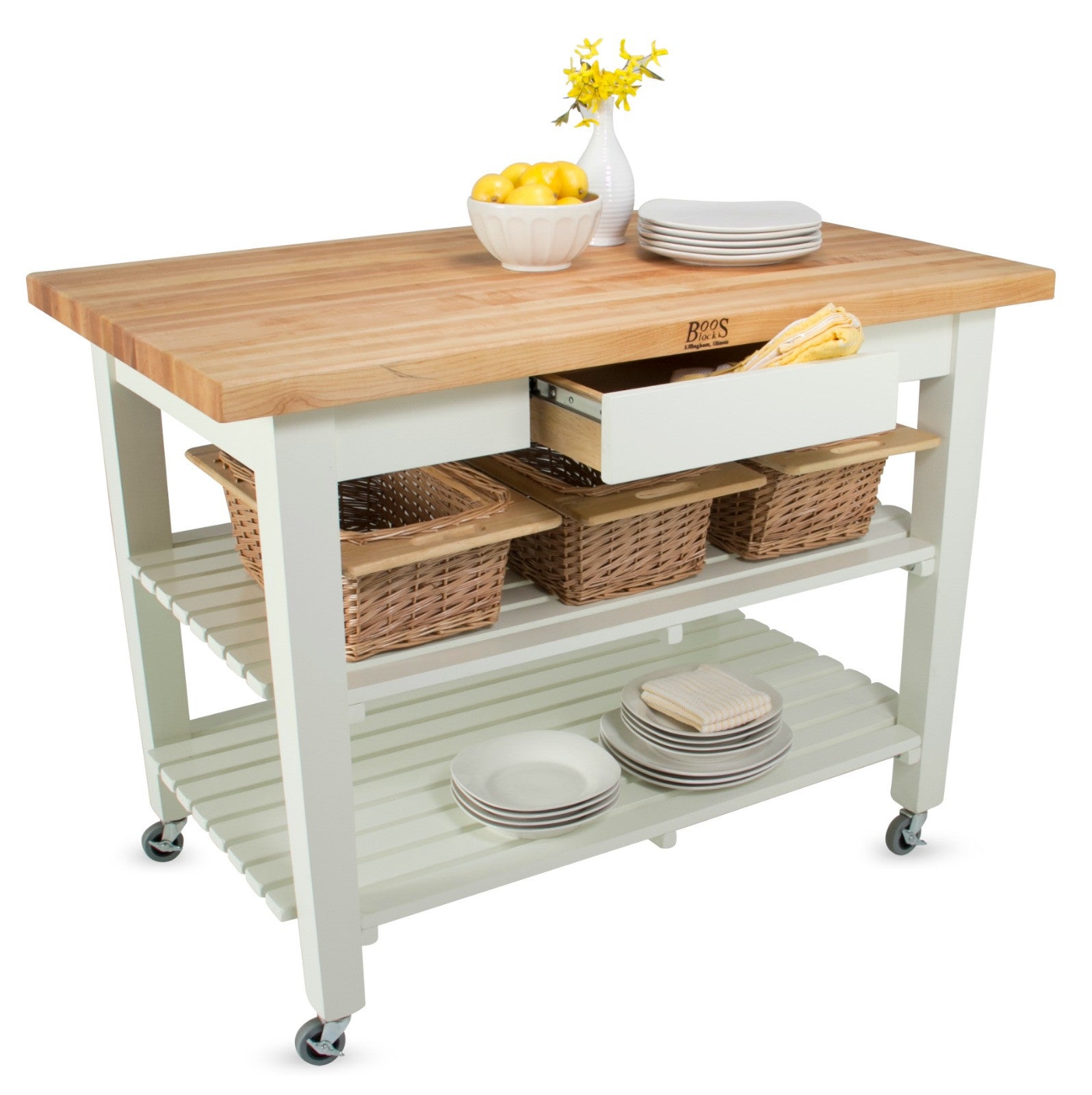
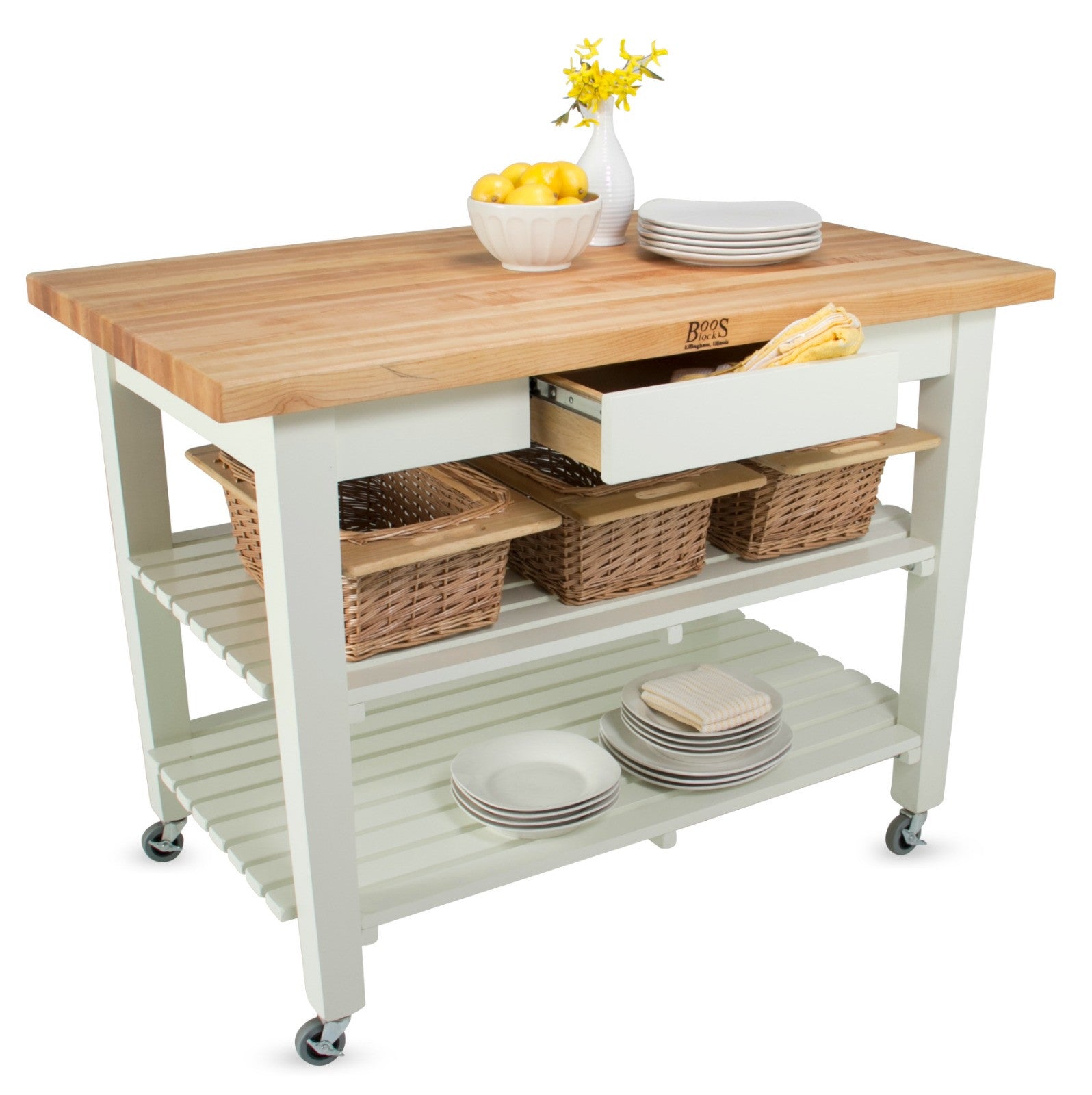
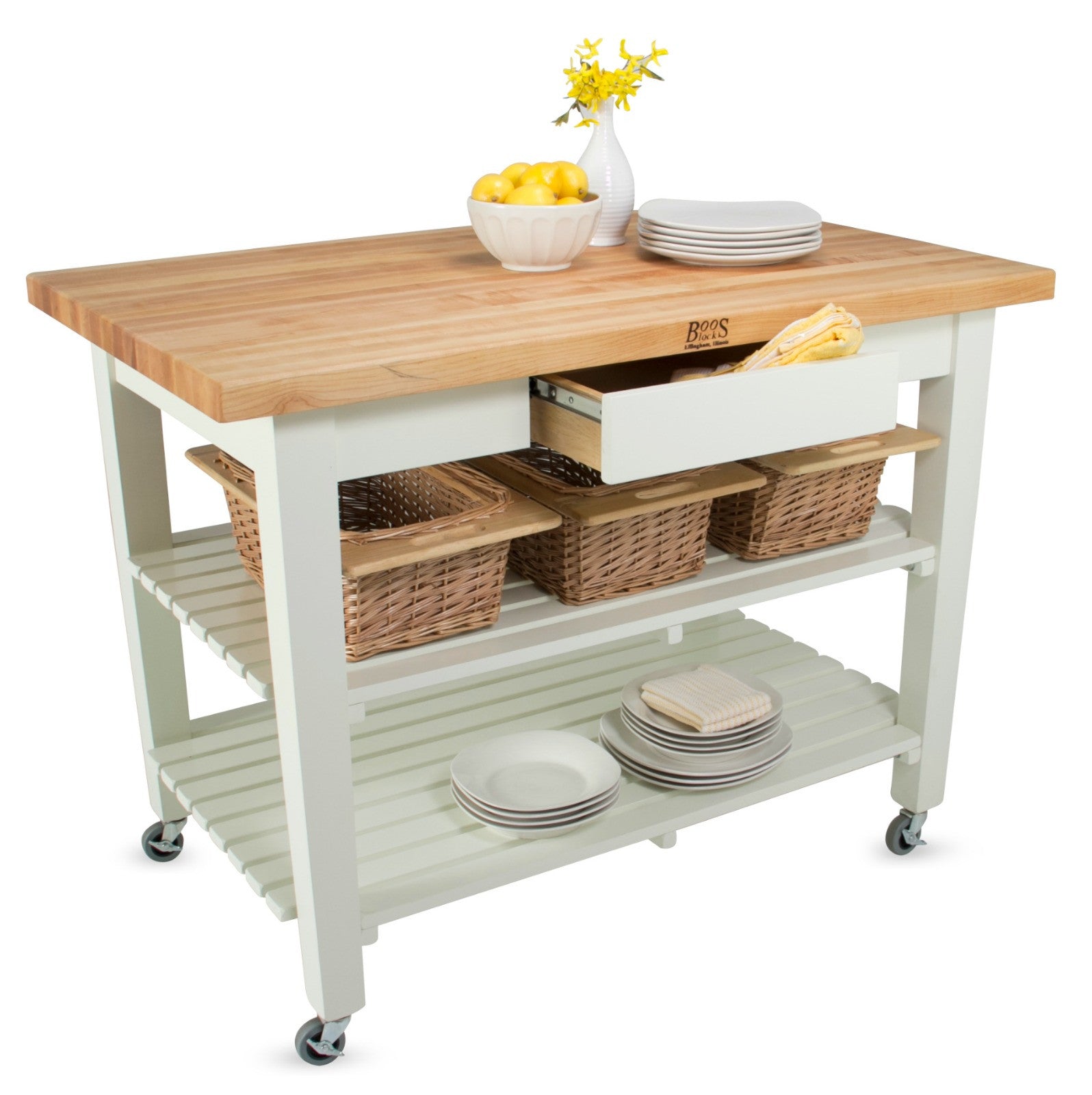
 John Boos Kitchen Islands come in all shapes and sizes...
|
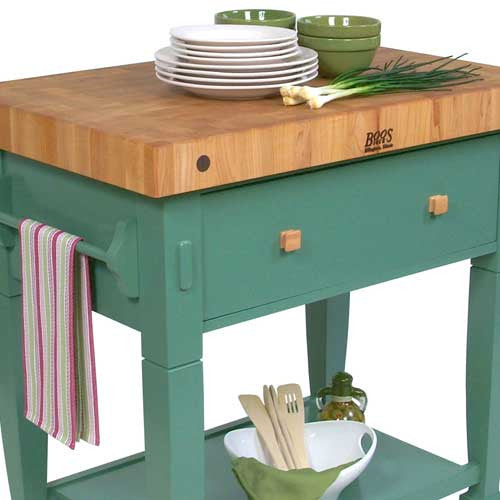
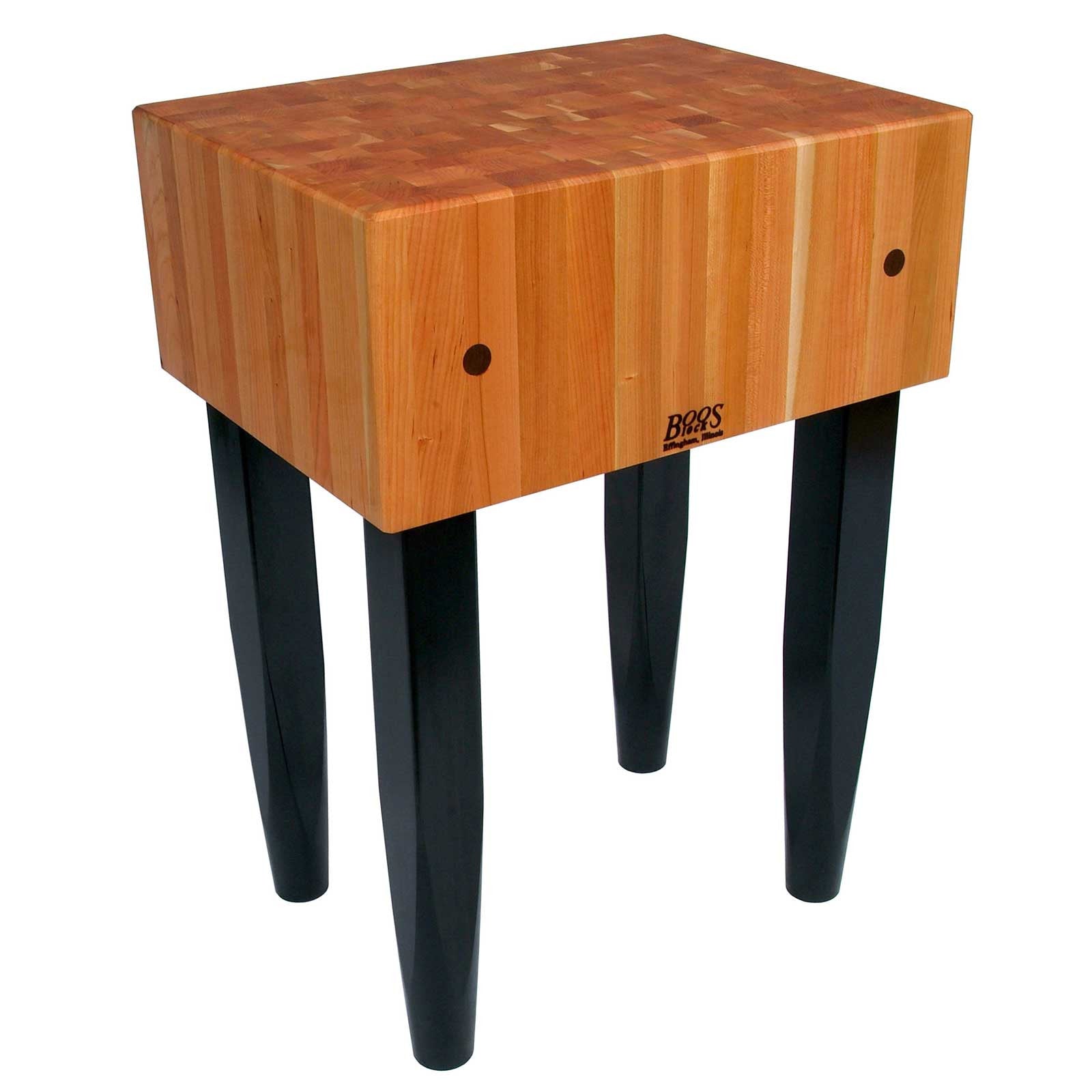
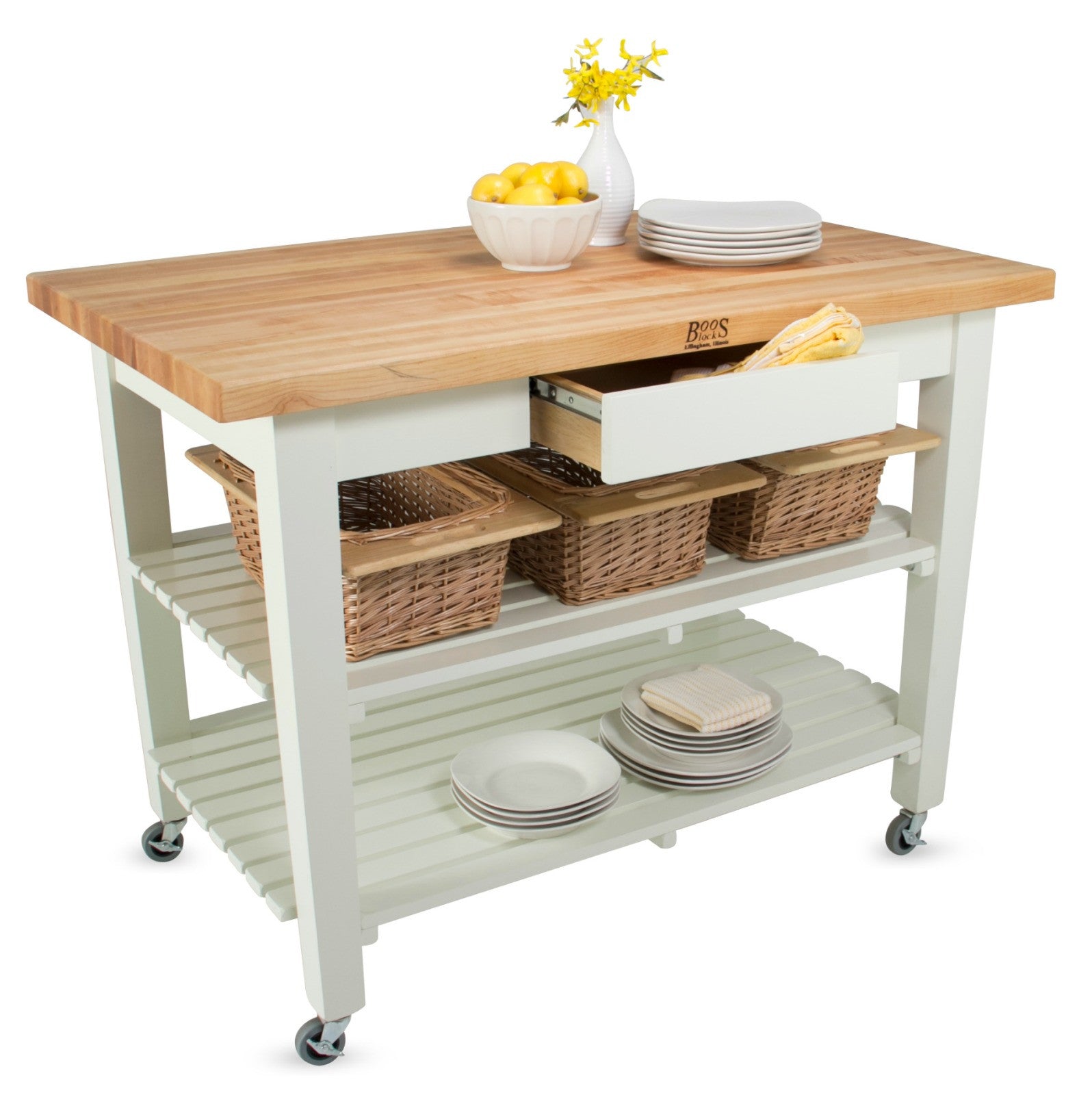
 A Boos block butcher block table will take your cooking to new heights!
|
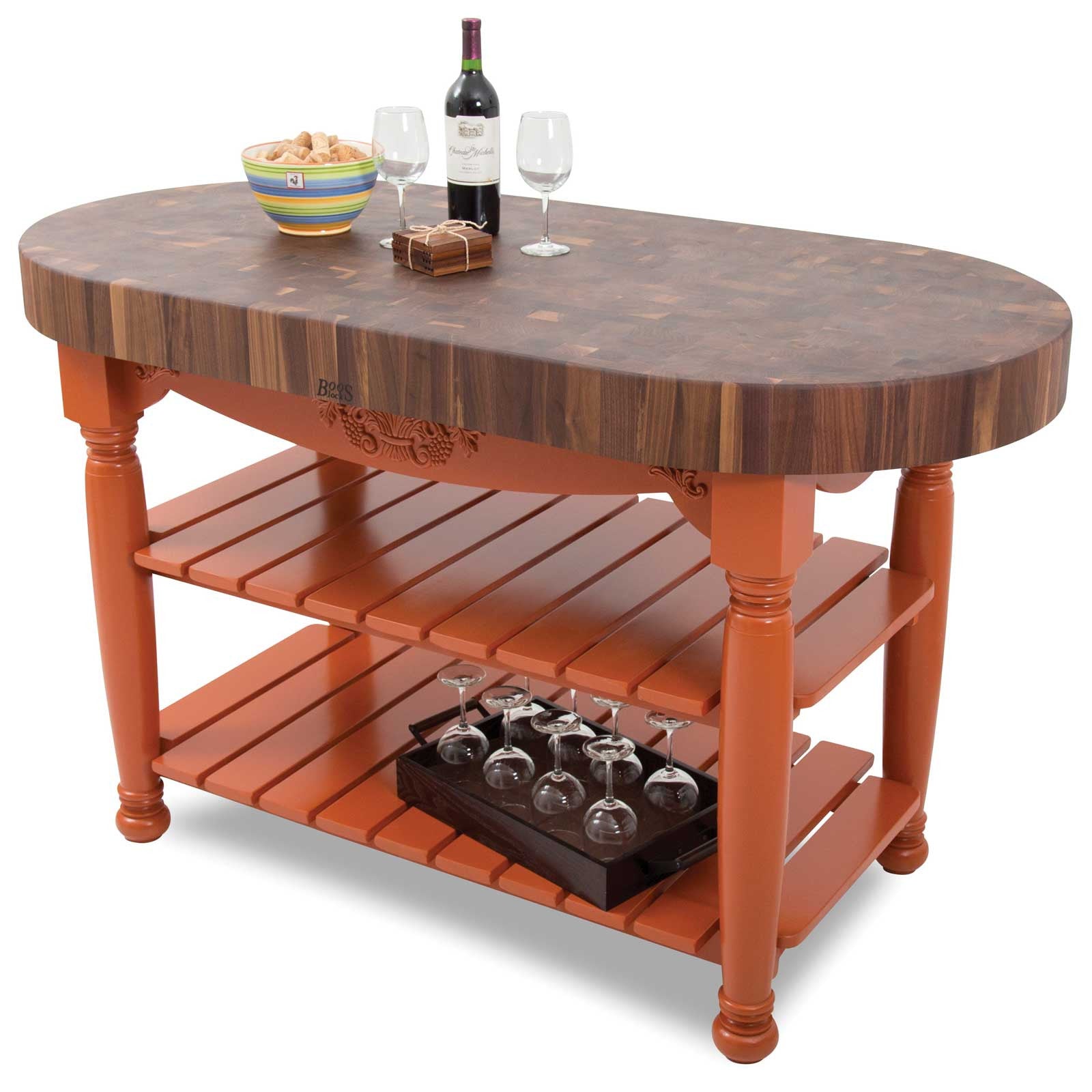
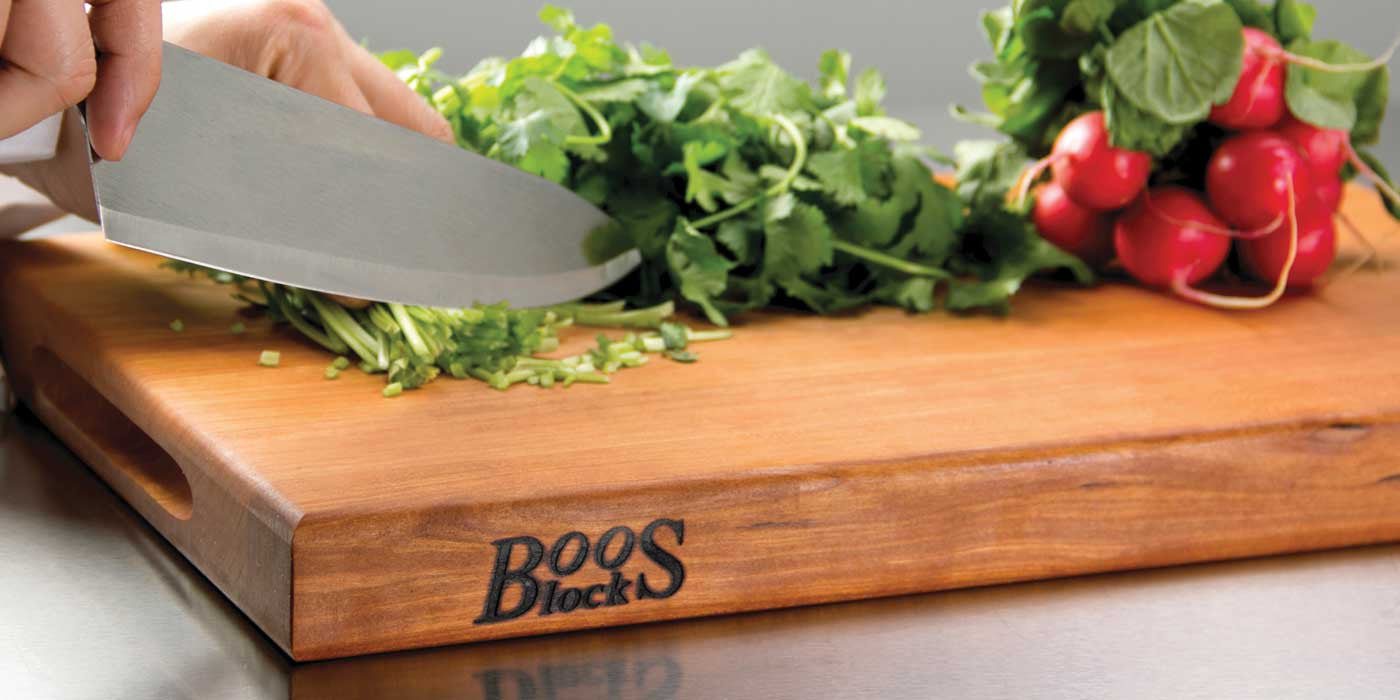
 A Boos board in native hardwood is the perfect compliment to any kitchen!
|
 Use Boos Mystery Oil to seal and protect your Boos blocks and boards.
|
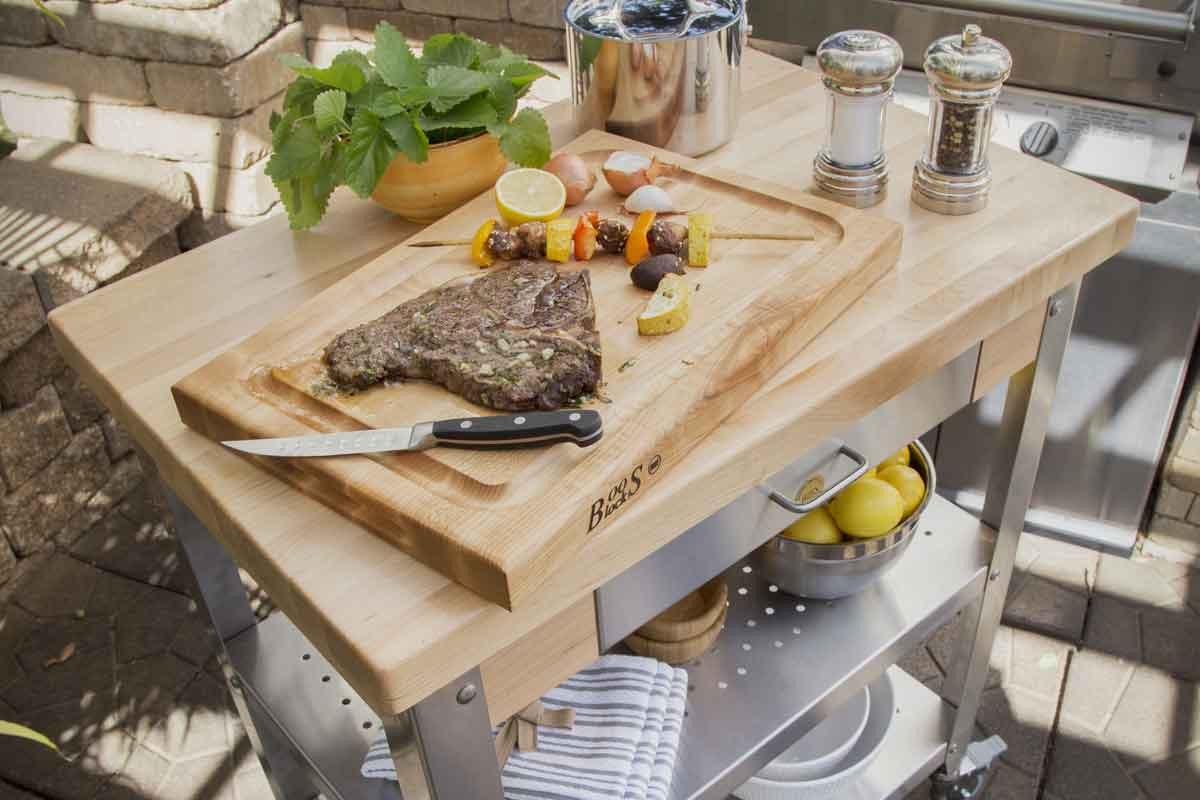
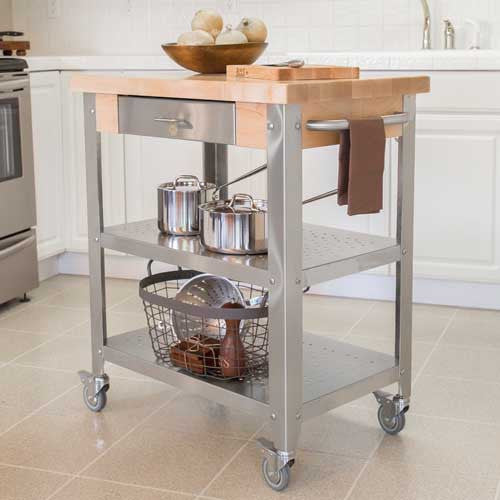
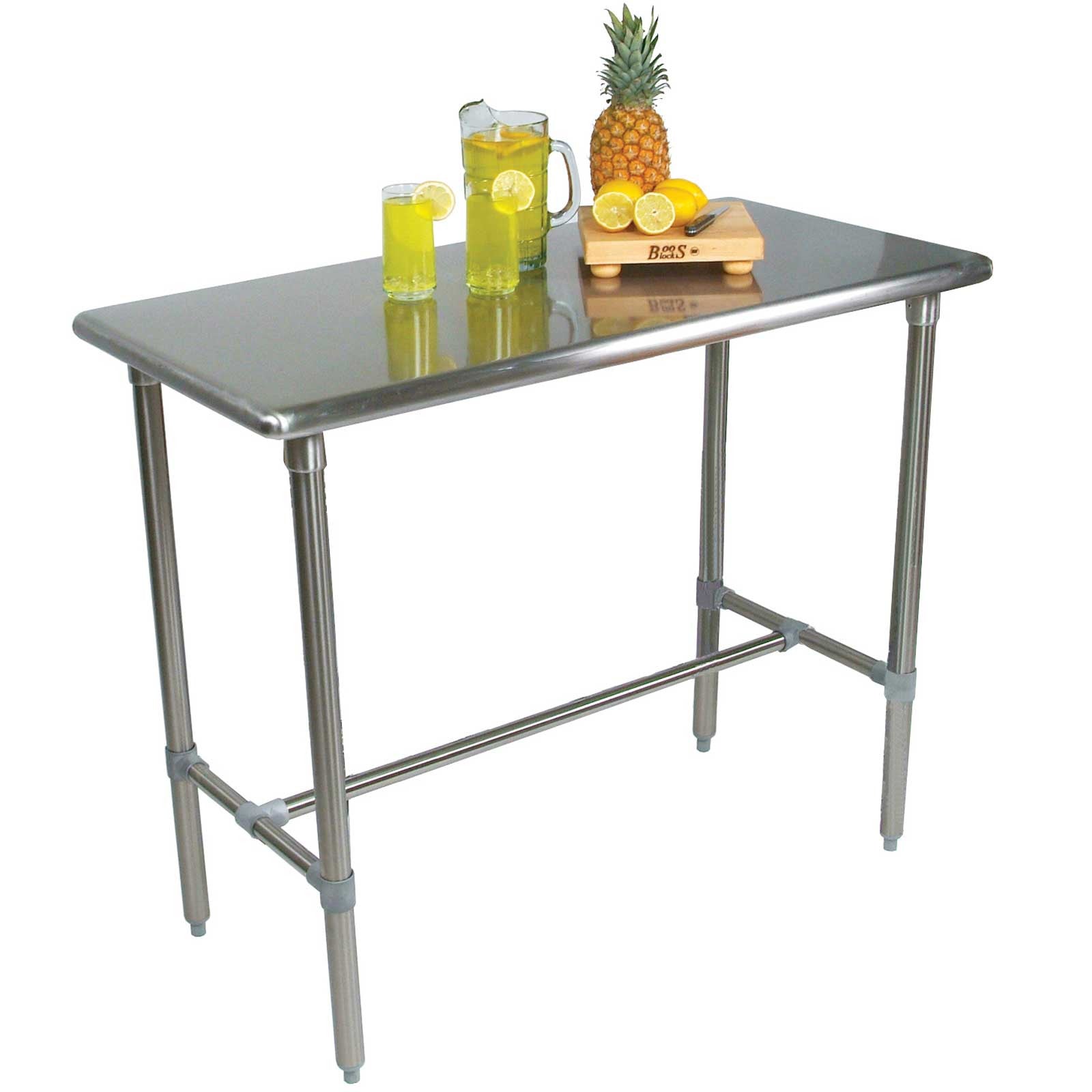
 The John Boos cart combines butcher block with sleek stainless steel.
|
 John Boos shelves are food safe stainless steel with a contemporary look.
|
 With choices in end grain and edge grain, Maple, Cherry, Walnut and Oak, John Boos kitchen counter tops are a fit for almost any project. Can't find the size you need? Give us a call at 888-977-3110 for help, or for a quote on custom sizes and shapes.
|
|
John Boos 101 - A Boos Block buying guide
In this buying guide, we'll dedicate some time to an overview of the different product categories from John Boos and then we'll finish by answering some common questions. So without further ado:
John Boos Islands
There are a few key factors that should be considered when you choose a John Boos Island. Arguably the most important factor is the size of your space. You need to make sure that the island is not only proportional to the space, but also gives ample room on all sides to get around it. If you are cutting it a bit close on space, choosing an island with rounded corners like the John Boos Harvest Table, or the Elliptical C Table will help. The next thing to examine is the theme that you want in your kitchen. Do you want a comfortable country look, in which case islands like the John Boos Jasmine Block, and Gathering Block work well, or are you looking for the more updated look you get with one of our stainless steel and maple islands like the Cucina Grande. Once you've decided on the size and look that you want, you just need to decide what options you would like; do you want, drawers, shelves, locking casters, etc.?
John Boos Carts
A John Boos Cart offers great flexibility in your kitchen. If you want to have an extra workspace at times, but still be able to move it out in order to maximize space, a kitchen cart may be your best bet. The same considerations of size and theme apply to carts as they do to islands. Popular choices are the Cucina Elegante (CUCE50), the Cucina D'Amico (CUCD15), and the Cucina Technica (CUCT24). Equipped with commercial grade locking casters, your Boos Block Cart will be ready to roll for a very long time.
Boos Butcher Blocks
When you hear the words "Boos Block", they are usually referring to the traditional butcher blocks originally produced by the Boos Company. John Boos calls them the "Blocks that Made Boos famous" With blocks available up to 16" thick, we're pretty confident that these are beefy enough for the most exacting of chefs. Many of the blocks like the PCA block, Saratoga Farm Block, and the Pro Prep Block are available with casters just like the carts. Some of the heavier blocks like the AA Block and Grooved Block don't have casters available. Almost all the Butcher blocks come in end grain with an oil finish; these are made for chopping after all!
Boos Cutting Boards
Almost everyone has seen a John Boos cutting board. Featured on Master Chef and many shows from Food Network, it's clear that the Boos Board is the cutting board of choice for chefs and cooks at all levels. As you shop for your cutting board be sure to pay attention to size and weight. Many of the boards can get pretty difficult to move around, if you aren't planning on just leaving them in place. We have everything from basics to specialty boards with juice grooves and pans.
Butcher Block Countertops
Boos butcher block countertops or island tops, offer a huge array of options. We would be happy to help you navigate your way through these options to determine what size, thickness, grain, finish, edge profile and more you would like on your top. We are able to request custom sizes, sink cutouts, edge profiles like the ogee edge and more.
How do I choose the right piece for my kitchen?
You should begin by examining the space you have available, in terms of size, color, look, and existing furniture. If you have a small kitchen, be careful not to make the space claustrophobic by adding too large a butcher block island or cart. Decide what minimum clearance you need on all side of the piece and build your prospect list from there. If you want to keep things flexible, go with a John Boos cart. They come with locking casters that make it a stable work surface when needed, while still allowing it to roll around when you want. In terms of look, John Boos offers options ranging from country farmhouse, to ultra-modern stainless steel. Choosing your theme will narrow the options substantially.
What woods are available from John Boos, and which is the best?
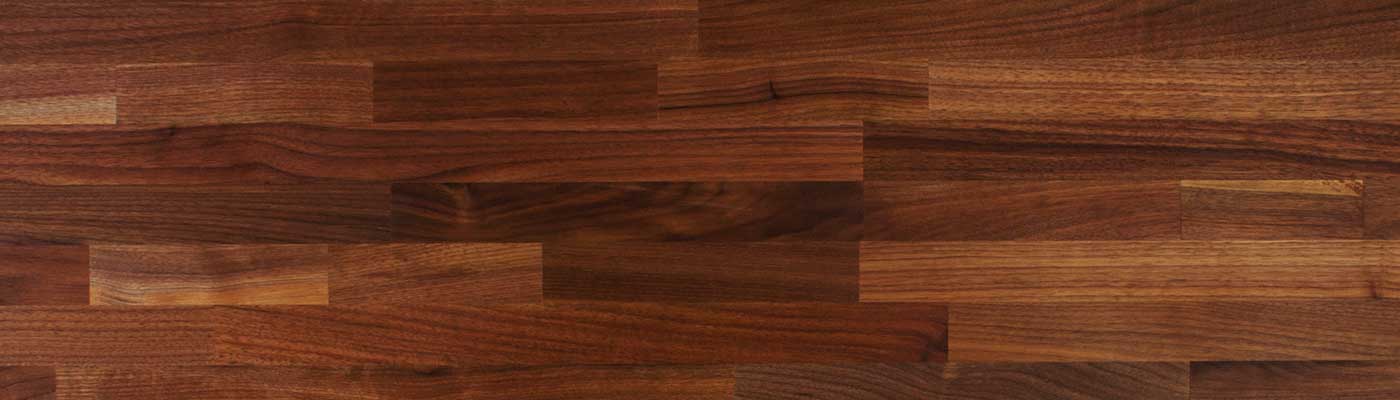
We are happy to offer 3 primary options with a fourth option available in limited pieces. The main options are Maple, Walnut, and Cherry. Some pieces are available in Oak. All four woods will offer great quality and durability. Maple is the least expensive and hardest of the four, making it the most popular choice. Walnut and Cherry are a little more costly, but deep colors that will make a statement in any space.
What finishes can I get on My Boos Block top?
John Boos produces 2 finishes; an oil finish, and a varnique finish. The oil finish is intended for chopping and requires routine maintenance to keep the top in good shape. Boos Mystery Oil, or Beeswax Board Cream will do a great job on this. The varnique finish seals the top giving it a slight sheen and reducing the amount of maintenance required. You will not be able to chop on the varnique finish. Most John Boos furniture pieces are available in either a varnique, or oil finish, but it's important to make sure that you know which finish is standard before you order. If you should order an oil finish and decide after the fact that you won't be cutting on it, and would like it sealed, just give us a call and order some John Boos EZ-DO polyurethane gel to seal it. This will give you a high quality varnique finish.
What colors are available from Boos?
You can choose from a great selection of painted or stained finishes. Ranging from Caviar Black to Not all pieces have color options, so you will want to review the product page for the item you like to determine what's available. If you want to make sure a color will work for you, we are happy to mail you color samples so you can see them in person.
How difficult is it to take care of my Boos Block?
Maintaining your Butcher Block top or cutting board is pretty simple. It will just take the use of mineral oil or beeswax cream to keep it looking like new. If your board or block gets rough over time, a quick sanding will smooth it out easily. To see complete care instructions, and a list of the boos block care products we have available, go here
What's the difference between end grain and Edge grain?
An end grain cutting board or top is made up of many square chunks of wood glued together side by side so that their ends form the cutting surface. This creates a checkerboard effect. The end grain offers a slightly softer surface for knives thus extending their life. Edge grain boards and blocks are made up of long slats or rails of wood that run the length of the board and are glued side by side.
If I add casters, will the table or cart be that much taller?
Nope, when you add casters, we'll be sure to cut down the legs to correspond. That way the table or card will stay at the advertised height whether it has casters or not.
General Notes
Extremes of humidity and dryness can swell and shrink hard maple and/or oak enough to cause small seasonal checks to appear, usually at the ends of tops or at the end of a lamination. This possibility, though remote, is an unavoidable condition of enjoying the character and beauty of a living material – real wood with a check is still prettier than Formica without one! Your Boos Butcher Block is made of kiln dried hard maple or oak and dried to a moisture content of 6% making it very susceptible to water and dampness.
1. Do not wash knives and forks or other utensils on the work surface of your board or block.
2. Do not wash your board or block with harsh detergents of any type.
3. Do not wash your cutting board in a dishwasher.
Caution: do not place Boos Butcher Blocks near excessive heat (such as stove) without proper insulation between heat source and the edge of the butcher block. Do not cut off ends, drill holes, make cutouts or otherwise deface butcher blocks without refinishing exposed unfinished wood. Guarantee is void if butcher blocks are modified. No guarantee of any kind is expressed or implied except as pertaining to material and workmanship.
Care and Maintenance of your Boos Butcher Block
The life of a Boos Butcher Block can be extended 5 – 10 years through observing the following rules in its care:
1. Periodically (once every several weeks, depending upon the use and household conditions), apply an even coat of mineral oil or Boos Mystery Oil to the work surface of your butcher block. Sponge on with a rag!
2. DO NOT allow moisture of any type to stand on the butcher block for long periods of time. Do not let fresh, wet meats lay on the block longer than necessary. Brine, water and blood contain much moisture which can soak into the wood and cause the block to expand, the wood to soften, and the glued joints to weaken.
3. Use a good steel scraper or spatula several times a day, as necessary, to keep the cutting surface clean and sanitary. Follow this with a dish cloth dipped in warm soapy, or a VERY MILD DETERGENT water. Wash butcher block the same as any other wood surface. Do not use a steel brush on the cutting surface of your block.
4. Do not cut fish or fowl on the work surface of your butcher block, unless you have thoroughly followed the instructions in step #1. This is becasue the moisture barrier must be intact prior to cutting any type of fish, seafood, or fowl on the work surface of your block. ALWAYS CLEAN THE BLOCK THOROUGHLY AFTER CUTTING FISH OR FOWL ON THE WORK SURFACE.
5. Be sure NEVER to cut continuously in the same place on the top of your butcher block. Distribute your cutting over the entire work surface so that it will wear evenly. DON'T use a razor-edged cleaver. It will chip or splinter the wood and produce soft spots. Your cleaver should have dull sharpened edge for best results.
6. At the conclusion of a day's work preparing meat or food on your butcher block, scraping the block will remove 75% of the moisture. After scraping, immediately dry thoroughly with an absorbent towel. This assures an odorless, clean cutting surface for the next day, and prevents premature deterioration of the work surface.
7. Maintain the same bevel on the edge of your butcher block as it had when you bought it. This prevents splitting or chipping of outside boards.
8. Your butcher block should be turned over periodically to allow even usage to both work surfaces.
Common Problems and Their Repair
| Problem |
Description |
Cause |
To Repair |
| End Checks |
Separation of the joints along the end of top or block |
Excessive dryness, not oiled frequently enough |
Melt a 1 to 4 mixture of paraffin and mineral oil and fill all checks. Make sure paraffin seals the check thoroughly. Continue oiling |
| Splits |
Separations of joint along full length of top |
Excessive dryness |
Proceed as above to seal split. If condition continues for an extended time period, contact your dealer |
| Wind Shakes |
Small portion of wood grain lifting up from table top |
Grain separation, excessive dryness |
Clean and dry top. Apply small portion of white glue to piece of paper. Slip paper under the shake and remove, leaving some glue for adhesion. Place heavy weight on area overnight and let dry. Remove any excess glue using light sandpaper or fine steel wool. WORK ONLY WITH THE GRAIN, NOT AGAINST IT! |
| Warpage |
Top cupping or bowing |
Imbalance of moisture content between top and bottom surfaces, oiling only one surface |
Apply oil liberally to concave side. If not corrected within 2 weeks, tape plastic (ie. plastic liners, dry cleaning wrap, etc.) to the convex side and oil the reverse side every day. Top will adjust to new humidity and correct itself. |
| Rail Expansion |
One rail raised above balance of top |
Raised rail expanding at faster rate than other |
Continue oiling as instructed for regular maintenance. Top will adjust to new humidity and correct itself. |
| Stains |
Water spots, foodstains, etc. |
Allowing food to remain on table top too long, needs paraffin or wax |
Use light sandpaper or fine steel wool on stain. Continue regular maintenance. Stain will dissipate in wood grain |
| Damage |
Nicks, gouges, dents, etc. |
External environment |
If top is oiled, simply sand and re-oil. If top is lacquered, lightly sand and refinish with lacquer or another compatible finish (consult a local finishing store) |
| Mineral Streaks |
Dark streaks in the wood |
Natural discoloring of the wood due to mineral deposits in the tree |
No repair needed - adds to individuality of your Boos Butcher Block! |
Note: cracks filled with a cellulose filler of the right tint become practically invisible.
Care and Maintainence of Stainless Steel and Galvanized Tables
Stainless steel is durable, and can be long lasting, if proper care and maintenance is provided. Keep table clean. DO NOT allow liquids to stand on stainless for prolonged periods. DO NOT allow food particles, dirt, or other foreign matter to stay in contact with stainless for prolonged periods. Keeping the shelf and legs clean assists in the deterring of bacterial growth.
It is recommended that Dow Fantastic or Glass Plus be used with a paper towel when cleaning stainless. DO NOT USE an abrasive cleaner! This will scratch the surface of the metal. Chlorine bleach should not be used to clean the stainless surfaces. If chlorine bleach is used, it must be thoroughly rinsed off immediately with water.
 |
Can we help?
We would love to help you find the John Boos product that is right for your home. Call Adam, Kayla, or any of our helpful staff, and we'll do our best to give you family business service, along with our great prices and shipping options.
Call 888-977-3110 or email support@florenceadams.com |
 |
How do those base colors really look?
The bases of many John Boos Blocks and Islands can be painted or stained the color of your choice. While the colors online give a pretty good idea of the colors, we'll be happy to mail you color samples so you can see the exact shade. |
|
|
|